
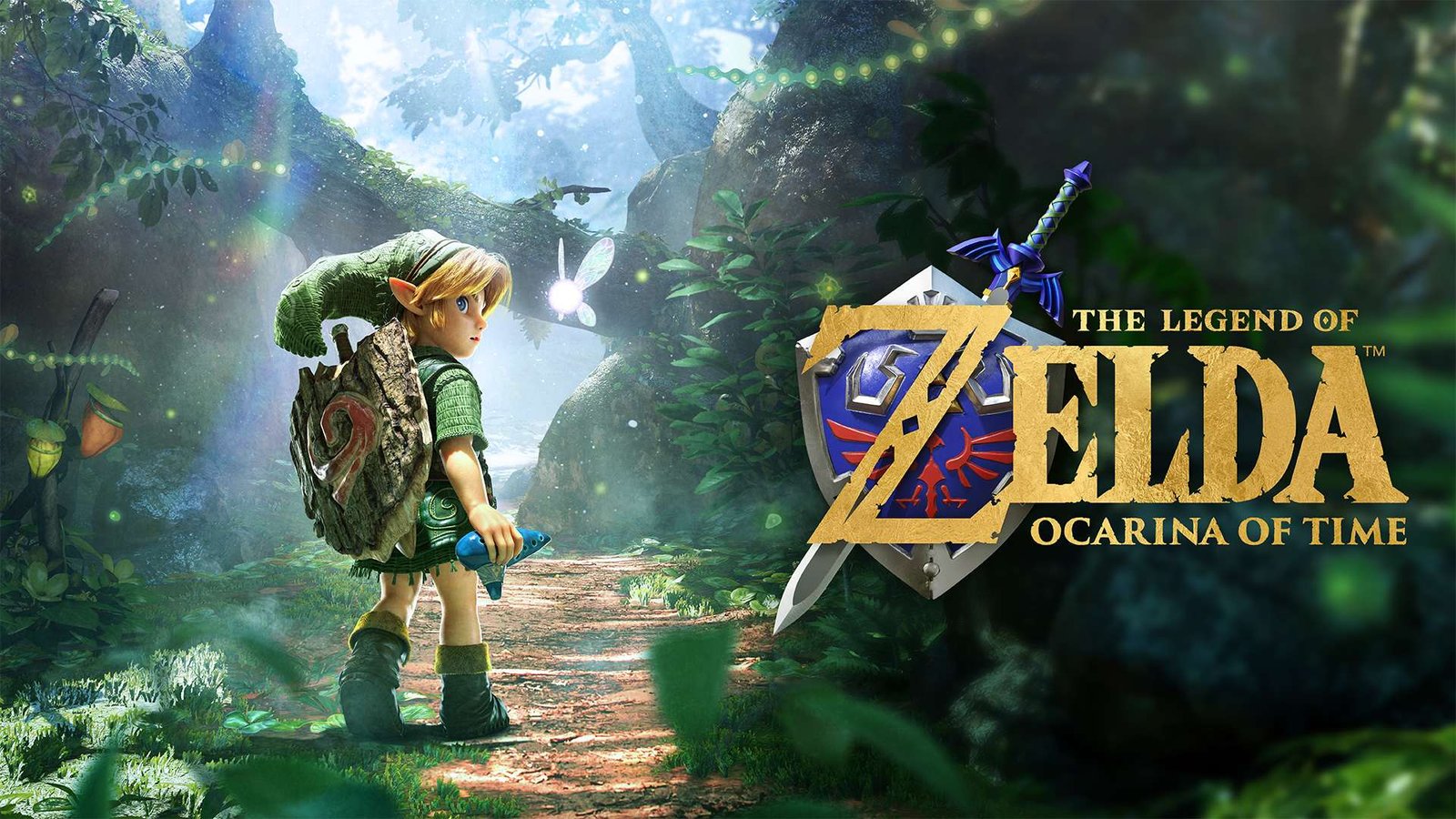
The Legend of Zelda: Ocarina of Time is back. Nintendo’s full Switch 2 remake launched on November 5, 2026, and it’s sitting on a Metascore of 96 with a “Must-play” badge. That puts a 1998 game, rebuilt from the ground up, right at the top of one of the busiest months gaming has seen in years.
The reviews are glowing, but there’s a recurring catch in almost all of them: this is a careful remake, not a bold one. I think that’s exactly what it should be. Here’s why.
What Nintendo actually shipped
This isn’t a texture pack on top of the N64 code. According to Nintendo’s official page, the game has completely overhauled visuals, orchestral music, voice acting and expanded cutscenes. It’s a Switch 2 exclusive, takes up 24.9 GB, and costs $59.99 on the eShop in the US. Nintendo Life lists the physical edition at $69.99, or £58.99 in the UK and Europe.
The control changes are the ones that’ll matter most once you’re actually holding the pad. Nintendo confirms modern camera movement plus jumping and dashing. Nintendo Life’s review adds the details: full camera control, jumping on demand, a single-line item selector on the R button, and the Ocarina, masks and Iron Boots mapped to the D-pad. No more pausing every 30 seconds in the Water Temple to swap boots. That alone might be worth the price for some of us.
There are some neat extras too:
- Ocarina by voice: you can play songs with buttons, by humming, or by playing a real instrument into the Switch 2 mic, per Nintendo.
- Hall of Fallen Foes: a gallery of enemy statues that also lets you replay boss fights.
- Threads of Time: a tapestry that tracks your progress through the story.
- Echo Gem: Nintendo Life says it replaces the Stone of Agony and vibrates near Gold Skulltulas.
- ZELDA NOTES: a companion feature in the free Nintendo Switch App with Gossip Quests, a quiz and an ocarina tool.
If you buy digitally before November 23, Nintendo is also throwing in a 40th Anniversary wallpaper.
The reviews: near-perfect, with one recurring caveat
The scores are about as strong as remakes get. Nintendo Life’s review round-up collects 5/5 from GamesRadar, VGC and Eurogamer, 9.25 from Game Informer, 9/10 from IGN, GameSpot and Nintendo Life itself, and 8/10 from RPG Site. Metacritic’s page shows more than 80 critic reviews feeding that 96.
The praise is consistent. VGC highlighted “how little has been lost in translation,” while GameSpot said “a true masterpiece can stand the test of time.” Nintendo Life called it “comfortably the most visually stunning work Nintendo has ever put out.”
But read past the scores and you’ll see the same note again and again. Nintendo Life described it as a “very safe remake.” Game Informer admitted, “I was rarely surprised during my playthrough.” According to Nintendo Life’s review, dungeon layouts are mostly unchanged and puzzle tweaks barely matter. It also says there’s no Master Quest and no hard mode, which is a real miss for veterans who know every block-push by heart.
The tech isn’t flawless either. Nintendo Life reports 60fps in handheld mode, but says distant mountains and trees can look overly smooth and shimmer when you pan the camera, and that resolution drops noticeably undocked. Its reviewer didn’t find any of this a big problem, and argued that “keeping the game running smoothly feels like the more important priority.” I agree. Ocarina at a steady 60 is a much better trade than a sharper image that stutters in Hyrule Field.
Why playing it safe was the right call
Here’s my take. Ocarina of Time doesn’t need to be reinvented. Its dungeon design is the template a huge chunk of 3D action-adventure games still borrow from. Changing it heavily would mean fixing something that wasn’t broken, and fans would have torn apart any remix that missed the mark.
What the original did need was modern controls, a proper camera and less menu friction. From everything reviewers describe, that’s exactly where Nintendo spent its effort. For anyone who bounced off the N64 version or the 3DS port because it felt stiff, this is now the obvious way in.
The real disappointment is Master Quest. Leaving out the remixed dungeons hurts most for players who’ve beaten the game three or four times already. Those are the people most likely to find this version a little too familiar, and Master Quest would have given them something fresh. If Nintendo adds it later as an update or DLC, the “not quite definitive” label from Nintendo Life goes away.
A remake built to train the next Zelda team
There’s an interesting story behind why this exists at all. In Nintendo’s “Ask the Developer” interview, reported by Game Developer, series producer Eiji Aonuma said he wondered whether the current team, many of whom had only worked on recent games, understood what Ocarina meant to the series. In his words, he asked: “do they truly understand just how significant The Legend of Zelda: Ocarina of Time was to the series as a whole?”
His hope was that rebuilding the game would hand them insights for future Zelda titles. He also pointed out that “part of the fun comes from progressing through a carefully paced adventure and story.” That’s a direct contrast with the wide-open structure of Breath of the Wild and Tears of the Kingdom.
That’s the part I find most exciting. If the next mainline Zelda picks up some of Ocarina’s tight dungeon pacing and mixes it with the freedom of the recent games, this remake will have done more than give us a pretty nostalgia trip. To be clear, that’s my own speculation, not anything Nintendo has announced.
The November crunch
Timing matters here. Ocarina launched just two weeks before GTA 6, which lands on November 19 on consoles only, according to PC Gamer. (We broke down what’s confirmed for GTA 6 earlier this week.) Nintendo has carved out its own lane, and for Switch 2 owners this is the big holiday release. If you’re new to the hardware, our Switch 2 explainer covers the basics.
What to watch next
The first thing to watch is sales. With scores this high and a 40th anniversary tie-in, launch figures from Japan and Nintendo’s next earnings report will tell us how many people wanted to go back to Hyrule. Then there’s post-launch content. Nintendo’s page confirms new Young Link and Young Zelda amiibo coming in 2027 that add retro-style masks, so support isn’t finished. Whether Master Quest or a harder mode follows is the big open question. Until then, if you own a Switch 2, this is the easiest recommendation of the month.