
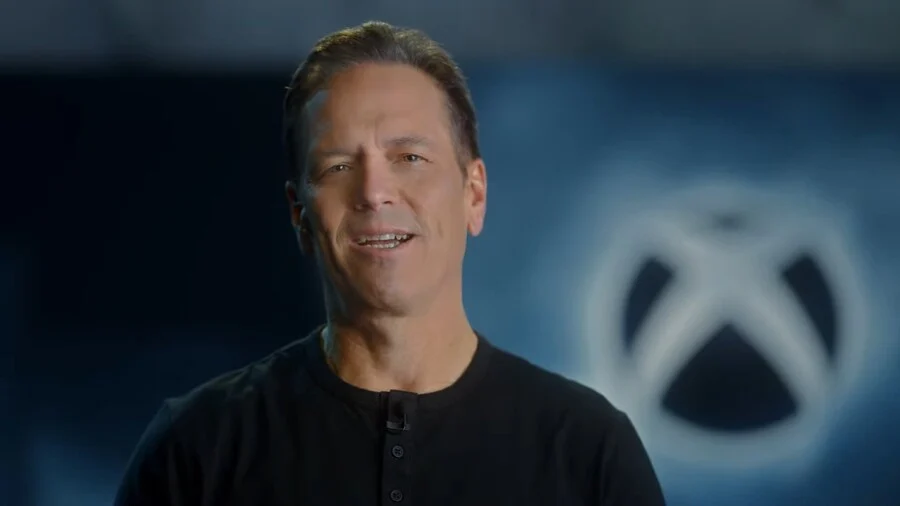
When Phil Spencer stepped down from his role leading Microsoft Gaming, it didn’t feel like just another executive reshuffle. For many Xbox fans, it felt like the end of an era. Spencer wasn’t simply a corporate leader — he was the public face of Xbox during its most challenging and transformative years. His presence gave players a sense that someone at the top genuinely understood gaming culture.
Now, Microsoft has appointed Asha Sharma as the new CEO of Microsoft Gaming. While she may be a strong technology executive with experience in scaling platforms and leading product initiatives, the decision has sparked serious debate within the gaming community. The concern is simple: can someone without deep roots in gaming truly lead one of the industry’s most culturally significant brands?
This is not a personal criticism of Sharma’s capabilities. Rather, it is a question about alignment. Gaming is not just another tech division. It is a creative ecosystem driven by passion, storytelling, and community trust.
The Spencer Era: Rebuilding Xbox’s Identity
Under Phil Spencer’s leadership, Xbox underwent a massive transformation. After the troubled Xbox One launch period, he worked to restore consumer trust and reposition the brand. The introduction and expansion of Game Pass reshaped how players accessed games, while major acquisitions strengthened Xbox’s content pipeline.
More importantly, Spencer consistently communicated with players in a way that felt authentic. He acknowledged missteps. He showed enthusiasm for games themselves. He reinforced the idea that Xbox was player-focused rather than purely profit-driven.
That cultural alignment matters deeply in gaming. Players are highly sensitive to shifts in tone, priorities, and brand philosophy. When leadership understands the culture, even controversial decisions can be framed in ways that maintain trust.
A Tech-First Background in a Culture-First Industry
Asha Sharma’s professional history is rooted primarily in technology, AI, and large-scale product leadership. That expertise is valuable within Microsoft’s broader ecosystem. However, gaming leadership requires more than operational excellence.
Running a gaming division demands understanding of:
- Studio development cycles and creative risk
- Community backlash patterns
- Franchise legacy pressures
- Developer morale and burnout realities
These are not abstract business concepts; they are lived experiences within the gaming industry. When leadership lacks firsthand familiarity with these dynamics, strategic decisions can unintentionally clash with the culture that sustains the brand.
The Risk of Turning Xbox into a Service-Only Platform
Xbox is already in a competitive position where it relies heavily on ecosystem strategy, subscriptions, and cross-platform releases. If leadership shifts too strongly toward infrastructure, AI integration, and platform scaling, Xbox could gradually lose its identity as a creator of iconic gaming moments.
A service model can succeed financially, but gaming history shows that cultural impact drives long-term loyalty. When players feel emotionally connected to franchises, studios, and creative vision, they remain invested even during weaker cycles.
If that emotional connection fades, what remains is simply another digital storefront.
Why Experience in Gaming Leadership Matters
Leadership background influences strategic instinct. Executives who have grown within gaming often develop an intuitive understanding of what players value beyond metrics. They recognize that sometimes the bold creative choice — not the safest data-driven option — creates the next defining title.
Without that instinct, there is a risk that decisions become overly optimized around predictability, monetization, or AI-assisted efficiency.
That approach may improve margins in the short term, but it rarely builds legendary franchises.
A Defining Moment for Xbox
This leadership transition represents a pivotal moment. It may prove neutral or even successful if the new CEO empowers experienced studio heads and protects creative independence. However, it is undeniably a gamble.
Xbox rebuilt its image once before. It cannot afford another prolonged period of strategic misalignment.
If Microsoft treats gaming primarily as a technology vertical rather than a cultural powerhouse, the brand risks slow erosion rather than dramatic collapse — a decline that happens quietly until it becomes impossible to ignore.
The gaming community will be watching closely. The future of Xbox now depends not just on execution, but on whether its leadership truly understands the culture it has inherited.