
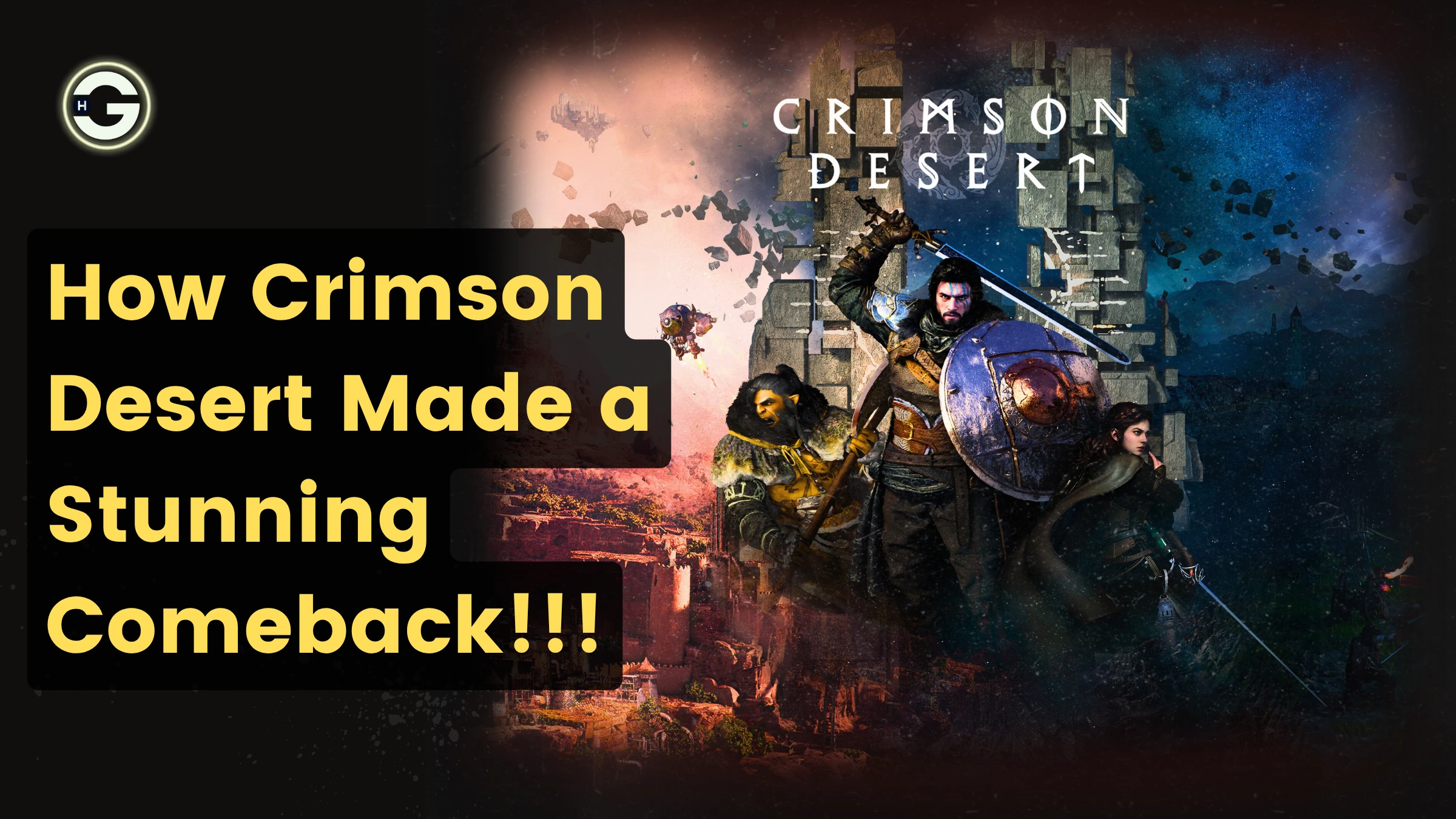
When Crimson Desert was first revealed, it instantly grabbed attention with its ambitious scale and cinematic presentation. However, as time passed with little clarity and multiple delays, excitement slowly turned into skepticism among gamers.
Many began to question whether the game would ever live up to its early promise, or if it would fade into the long list of overhyped titles that failed to deliver. But recent previews and positive reception have changed that narrative completely.
Today, Crimson Desert is no longer seen as a risky projectit is now being discussed as one of the most promising upcoming releases.
The Early Hype and Rising Doubts
At the time of its announcement, Crimson Desert positioned itself as a visually stunning open-world experience with deep combat and storytelling. The initial trailers created massive expectations, especially coming from a developer known for large-scale worlds.
However, the lack of consistent updates and unclear direction led to confusion. Players were unsure whether the game was an MMO, a single-player RPG, or something in between.
This identity crisis, combined with delays, caused many in the community to lose confidence and move on to other anticipated titles.
What Went Wrong During Development
One of the biggest issues Crimson Desert faced was communication. Long gaps without meaningful updates made it difficult for fans to stay engaged or trust the development process.
Additionally, the shift in focusfrom what seemed like an MMO experience to a more narrative-driven single-player gamecreated mixed expectations. This lack of clarity hurt the game’s early reputation.
Delays further amplified concerns, as gamers have become increasingly wary of projects that disappear for extended periods without transparency.
The Turning Point: What Changed
The recent gameplay showcases marked a major turning point for Crimson Desert. Instead of vague trailers, players were finally given a clear look at combat mechanics, world design, and overall gameplay flow.
The combat system stood out immediately, offering weight, impact, and variety that felt both grounded and dynamic. This alone helped shift perception significantly.
More importantly, the game now presents a clear identitya single-player focused experience with strong narrative elements, which resonated well with the audience.
Why Reviews Are Now Turning Positive
Critics and early impressions have highlighted several strengths that were previously uncertain. The visual fidelity, combined with a living, breathing world, has impressed many who were initially doubtful.
The improved combat system and polished gameplay loop have also been key factors in rebuilding trust. These elements demonstrate that the developers have taken feedback seriously.
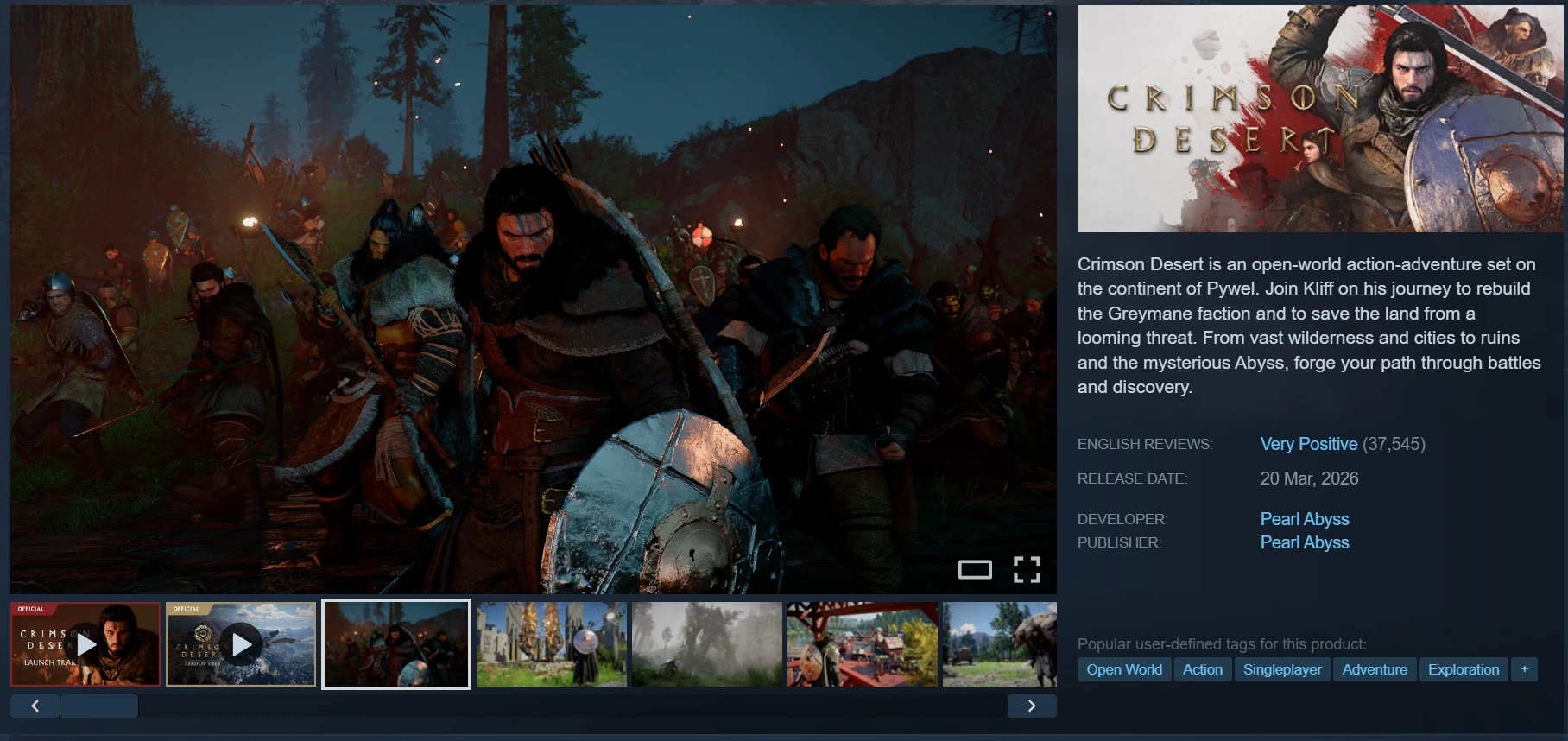
As a result, Crimson Desert is now being viewed not just as a visually impressive project, but as a potentially complete and satisfying gaming experience.
What This Comeback Means for the Industry
Crimson Desert’s turnaround sends an important message to the gaming industry. It proves that taking additional time to refine a game can lead to a far better outcome than rushing a release.
It also highlights the importance of clear communication and strong gameplay showcases. Players are more willing to support a game when they understand its vision and direction.
In a time where many releases struggle due to incomplete features or technical issues, this approach stands out as a positive example.
Lessons Learned from Crimson Desert
There are several key takeaways from this comeback story. First, initial skepticism does not have to define a game’s future if developers are willing to improve and adapt.
Second, gameplay matters more than early marketing hype. Once players saw real mechanics and systems in action, opinions began to shift quickly.
Finally, patienceboth from developers and the communitycan lead to better outcomes when a project is given the time it truly needs.
Conclusion: A Redemption Story Done Right
Crimson Desert’s journey from doubt to renewed excitement is a rare but powerful example of how perception can change over time. It shows that a game is not defined by its early struggles, but by how it evolves.
With strong previews and growing positive reception, the game has successfully repositioned itself as a major contender in the upcoming lineup of releases.
If it delivers on its current promise, Crimson Desert may not just be a comeback storyit could become a benchmark for how to handle long and uncertain development cycles.