
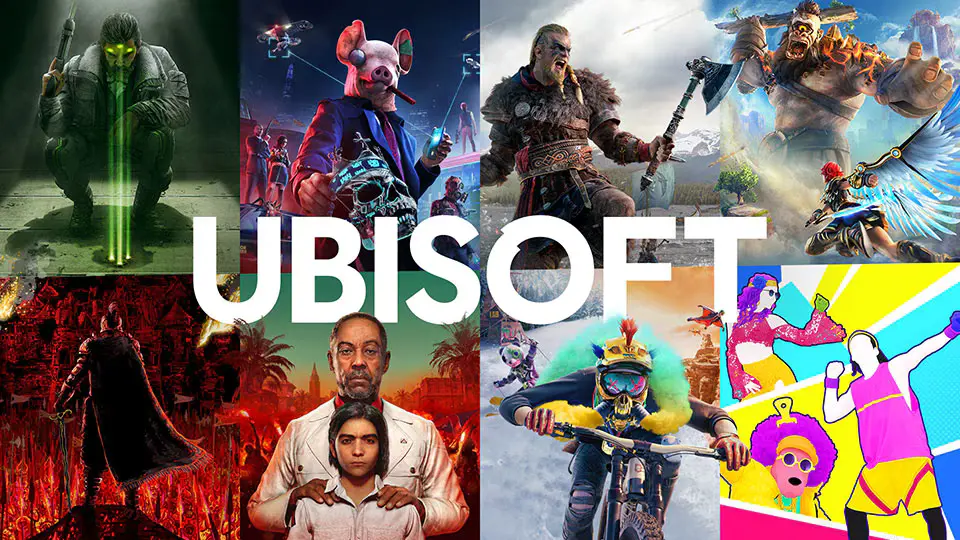
Ubisoft, once a powerhouse in the gaming industry, has recently undergone significant corporate restructuring. This shake-up did not just alter leadership or strategy it resulted in the cancellation of six anticipated games, shocking dedicated fans and industry watchers alike.
- The Reality Behind Ubisoft’s Restructuring
- Prince of Persia: The Sands of Time Remake
- Project Ether
- Project Pathfinder (Previously Project U)
- Project Crest – World War II Extraction Shooter
- Assassin’s Creed Rebellion – Support Ending
- Assassin’s Creed Singularity – A New Mobile Direction
- What These Cancellations Mean for Ubisoft and Gamers
- Final Thoughts
The Reality Behind Ubisoft’s Restructuring
Restructuring in major companies often signals a shift in priorities. For Ubisoft, the move aimed to streamline its focus and resources. However, this also meant that certain projects, previously well underway, faced termination.
Understanding why these games were canceled helps shed light on the company’s new direction. Market performance, development costs, and strategic realignment all contributed to these tough decisions.
Prince of Persia: The Sands of Time Remake
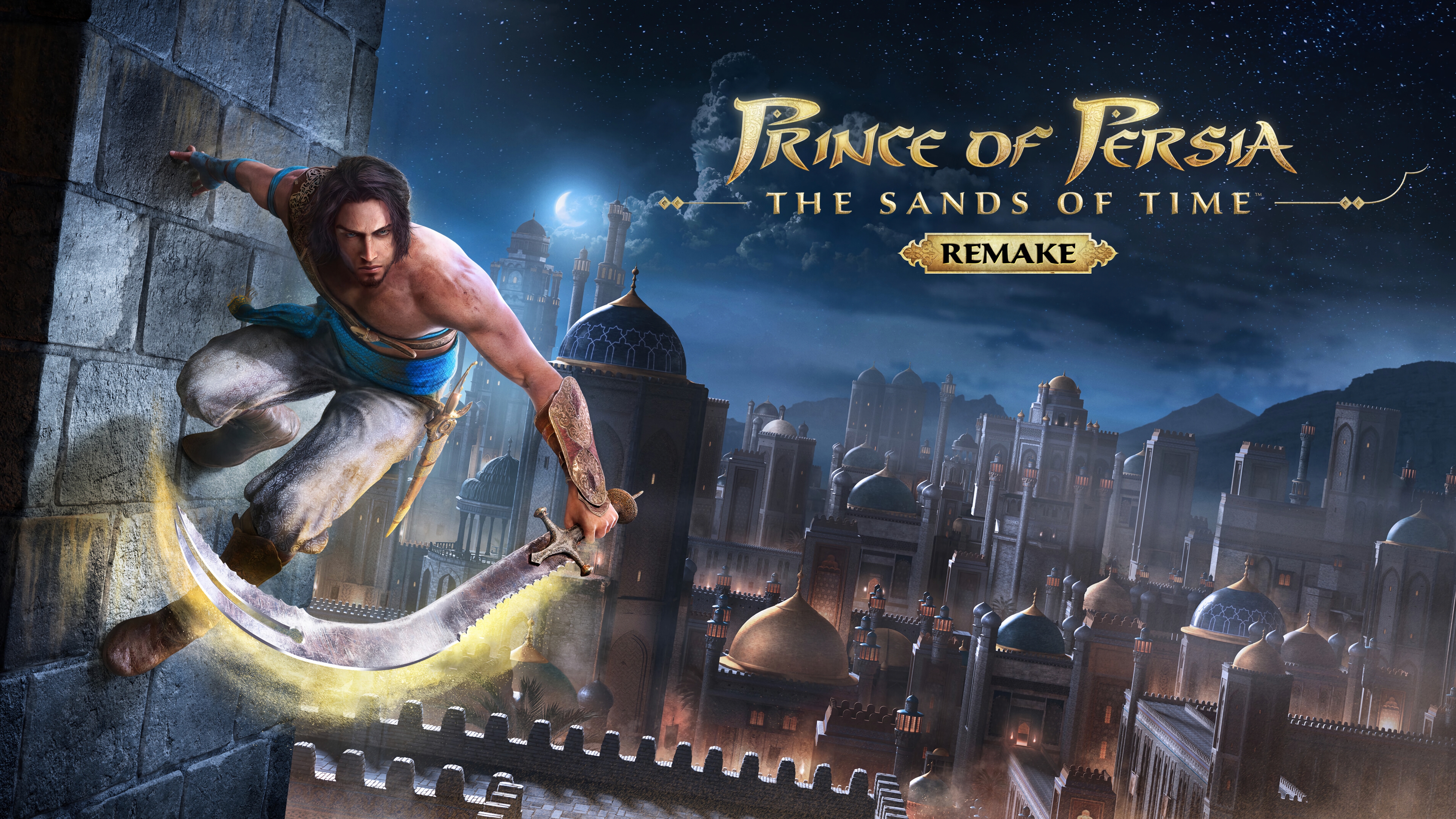
When Prince of Persia: The Sands of Time Remake was announced in 2020, expectations were high. The original 2003 title is widely regarded as one of Ubisoft’s most iconic releases, credited with redefining cinematic action-adventure games.
However, the reveal trailer was met with widespread criticism. Fans pointed to outdated visuals, questionable character models, and an overall presentation that did not reflect modern AAA standards. What followed were multiple delays, internal studio shifts, and eventually a full restart of development.
While the remake itself is not officially canceled, the original version presented in 2020 was effectively scrapped. Development moved to Ubisoft Montreal, indicating a complete overhaul rather than minor fixes.
This situation exposed several issues:
Underestimating fan expectations for a beloved legacy title.
Announcing a project before it was ready to be shown.
Attempting to revive a classic without the production scale fans expected.
The remake’s troubled path reflects the risks of revisiting nostalgic IP in an era of high technical standards.
Project Ether
Project Ether reportedly began development around 2019 at Ubisoft Halifax. The project was eventually canceled, though reports suggest parts of it were reworked into a newer internal initiative rather than being entirely discarded.
This approach aligns with a growing trend in large publishers: salvaging core technology, mechanics, or design ideas from canceled projects to reduce sunk costs. Instead of abandoning development outright, companies restructure and merge concepts into stronger or more viable titles.
Project Ether’s cancellation suggests that Ubisoft is reassessing mid-scale experimental projects that do not clearly align with its long-term financial goals.
Project Pathfinder (Previously Project U)
Previously known as Project U, this cooperative multiplayer title was later rebranded internally as Project Pathfinder. It was reportedly designed as a session-based co-op experience with live-service ambitions.
However, internal testing did not meet expectations. The game struggled to define its identity in a competitive multiplayer market. Live-service games require a strong hook, clear long-term engagement strategy, and sustainable monetization model.
Ubisoft has had success in this space with Rainbow Six Siege, but replicating that success is difficult. The cancellation or restructuring of Project Pathfinder highlights the high-risk nature of multiplayer live-service development.
Project Crest – World War II Extraction Shooter
Project Crest was reportedly a World War II-themed extraction shooter. The genre has gained popularity through titles such as Escape from Tarkov, which demonstrated the viability of high-stakes extraction gameplay.
However, the extraction shooter market has become increasingly crowded. Differentiation is crucial, and without a unique gameplay identity or strong innovation, projects in this space can struggle to stand out.
Project Crest’s reported cancellation likely reflects:
Market saturation in the shooter genre.
Rising development costs.
Strategic prioritization of core franchises over new competitive entries.
This cancellation reinforces the idea that Ubisoft is moving away from trend-chasing experiments unless they have clear commercial potential.
Assassin’s Creed Rebellion – Support Ending
Assassin’s Creed Rebellion is ending active support. The mobile title, which featured a stylized, strategy-driven take on the Assassin’s Creed universe, maintained a niche but dedicated player base.
Ending support signals a pivot in Ubisoft’s mobile strategy. Rather than maintaining smaller-scale mobile spin-offs, the company appears to be redirecting resources toward larger, more ambitious mobile experiences.
Assassin’s Creed Singularity – A New Mobile Direction
Assassin’s Creed Singularity is reportedly a new mobile-focused entry in the franchise. Unlike earlier mobile adaptations, this project is believed to aim for higher production value and deeper gameplay systems.
Mobile gaming remains one of the largest and fastest-growing segments of the industry. For Ubisoft, expanding the Assassin’s Creed brand into high-quality mobile experiences could unlock significant global revenue opportunities, particularly in markets where mobile dominates over console and PC.
This shift suggests Ubisoft sees mobile not as a side project, but as a core strategic pillar.
What These Cancellations Mean for Ubisoft and Gamers
The cancellations signal a tighter focus on quality and profitability. Ubisoft appears to prioritize projects with clear returns on investment. This strategic pivot may reduce the risk of developing games that fail commercially or critically.
For gamers, it means some long-anticipated adventures won’t be realized. But it could also lead to more polished and ambitious releases from Ubisoft’s key franchises.
Final Thoughts
Ubisoft’s restructuring and cancellation of these six games mark a pivotal moment. The company is recalibrating its approach, balancing innovation with sustainable growth.
If you are a fan or industry observer, watch how Ubisoft leverages this strategic shift in upcoming announcements and releases.
Stay tuned for updates and be ready to explore what Ubisoft builds next.
What are your thoughts on these cancellations? Share your views and keep the conversation alive in the gaming community.